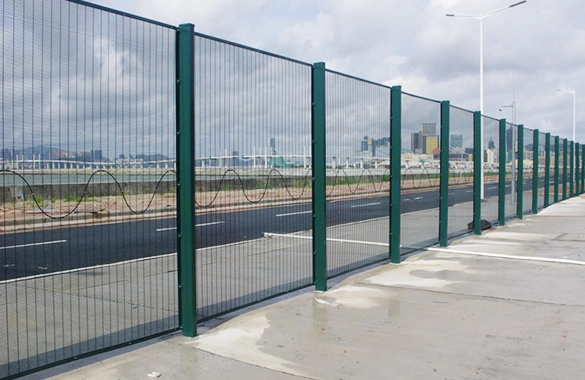
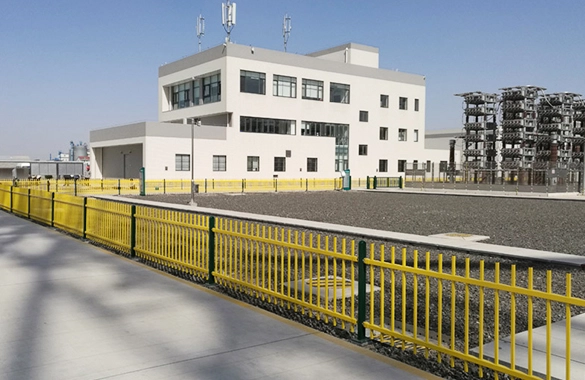
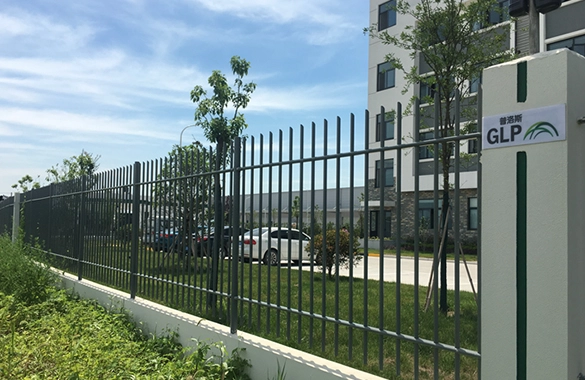
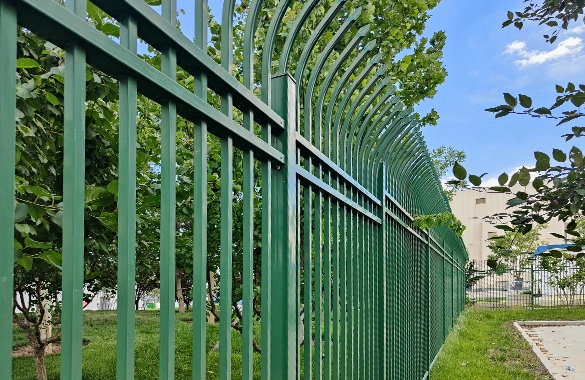
Understanding Wire Mesh Gauge A Key Element in Wire Mesh Fabrication Wire mesh is an essential component utilized across various industries, from construction to automotive engineering, catering to diverse applications such as fencing, filtration, and architectural designs. A crucial aspect of wire mesh is its gauge, which determines the thickness of the wire used in fabricating the mesh. Understanding wire mesh gauge provides insight into the material's strength, durability, and suitability for a specific application. What is Wire Mesh Gauge? Wire mesh gauge is a term that refers to the diameter of the wire used to create the mesh. This diameter is typically measured using the American Wire Gauge (AWG) system, which assigns a number to the wire based on its thickness; the smaller the gauge number, the thicker the wire. For example, a 10-gauge wire is significantly thicker than a 20-gauge wire. This system is crucial for standardizing wire sizes, allowing consumers to select the appropriate wire mesh based on their requirements. The Importance of Wire Gauge The wire gauge is directly related to the overall strength and rigidity of the finished mesh. Thicker wires (lower gauge numbers) generally provide more strength and can withstand greater loads and stresses compared to thinner wires (higher gauge numbers). For instance, in construction applications, a thicker wire mesh may be required to provide structural support, while a thinner gauge might suffice for decorative purposes or temporary barriers. Moreover, the wire gauge also impacts the mesh's opening size and porosity. The combination of wire diameter and spacing between the wires provides a delicate balance between strength and functionality. A finer wire mesh may be suitable for filtration applications, as it allows for minimal passage of particles while offering adequate strength. Conversely, a coarser mesh might be appropriate for security fencing, where visibility and airflow might be prioritized over filtering capabilities. Choosing the Right Wire Gauge Selecting the appropriate wire gauge for a specific project involves several considerations wire mesh gauge 1. Application Requirements Understand the nature of the application. For example, prison fencing would require a thicker gauge for enhanced security, while a garden trellis may only need a lighter gauge for aesthetic purposes. 2. Environmental Factors Consider exposure to elements such as moisture, temperature fluctuations, and potential chemical exposure. Thicker wire may be more resistant to corrosion and damage, making it a better choice for harsh conditions. 3. Load and Stress Assess the load that the wire mesh will have to support. In applications involving significant weight or impact (e.g., building foundations or heavy machinery enclosures), opting for a lower gauge may be beneficial. 4. Aesthetic Considerations In architectural applications, wire mesh may also serve a decorative purpose. A thinner gauge may offer a more intricate design while maintaining structural integrity. 5. Cost Considerations Generally, thicker wires come at a higher cost due to the increased amount of material used. It's important to weigh this against the project budget and long-term durability needs. Conclusion Wire mesh gauge is an integral aspect of wire mesh construction that significantly influences the material’s performance in various applications. By understanding the implications of different wire gauges, engineers, architects, and buyers can make informed choices that enhance the functionality and longevity of their projects. Whether it’s creating a secure boundary, ensuring optimal filtration, or incorporating a stylish design element, selecting the right wire gauge is crucial in achieving the desired outcome. Thus, taking the time to understand wire mesh gauge not only contributes to improved project results but also ensures safety and effectiveness in usage. As industries continue to innovate and develop new applications for wire mesh, the importance of understanding wire mesh gauge will remain a cornerstone of effective wire mesh design and utilization.